01
Well-water treatment
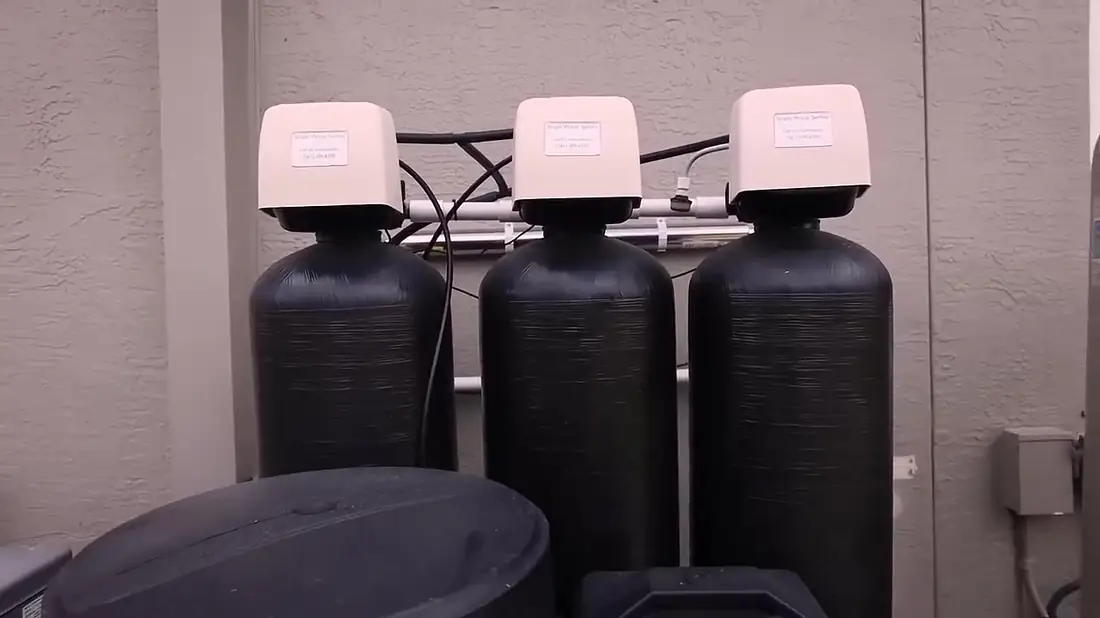
Build the treatment sequence from your raw-water results, pump capacity and goals.
Explore well-water treatmentWellington well-water treatment, whole-home filtration and softener service by Simple Water Service. Get a plan that separates your source, water problems and property demand.
Address-specific guidance · Clear treatment scope · Provider contact
A useful proposal connects your actual water to the equipment, installation and care it needs.
Build the treatment sequence from your raw-water results, pump capacity and goals.
Explore well-water treatmentTreat stains and odors after identifying the source and testing the right line.
Explore iron staining and sulfur-odor treatment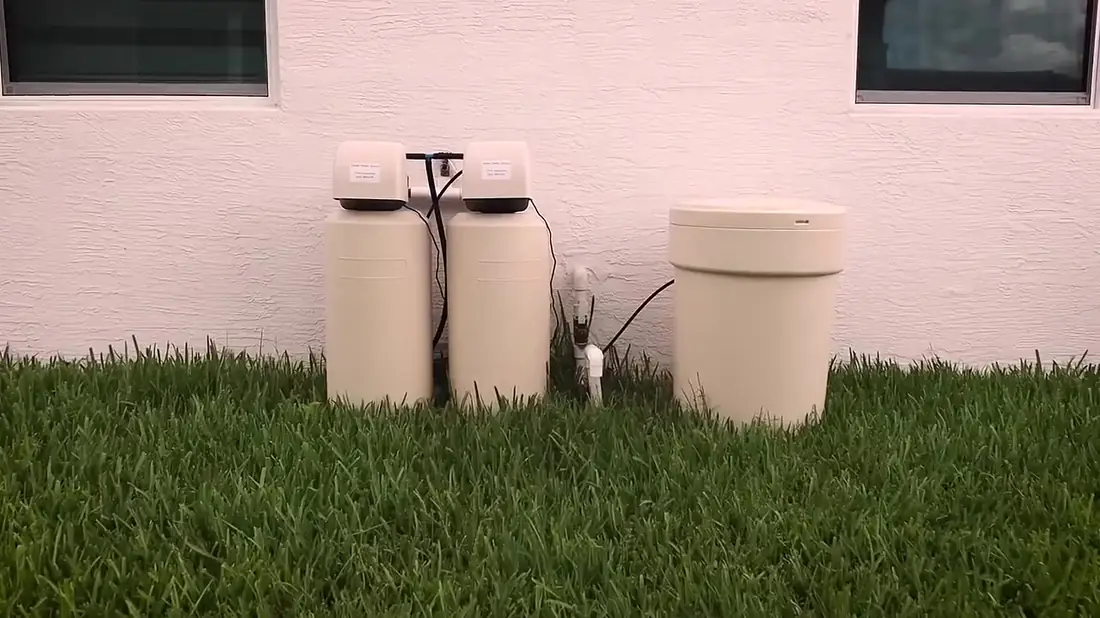
Reduce hardness-related scale with a softener sized from measured water and real household demand.
Explore water softener installation and replacementLocal source context
Wellington Utilities publishes a 2025 drinking-water report and reports that its public system met applicable regulations. Those public-system findings do not establish the water quality at a private well.
Confirm whether each building uses municipal water or a private well. For larger Wellington properties, identify house, barn and irrigation lines separately before selecting equipment or discussing flow.
Source checked September 29, 2026. A public-system report is not a test at your tap; a mailing address does not establish supplier.Wellington Utilities 2025 drinking-water reportA Wellington address can lead to very different assessment questions. A customer connected to Wellington Utilities should begin with the public report and a household-specific goal. A property on a private drinking-water well needs source-specific testing and a treatment sequence based on that well. Do not use the municipal report as evidence for a private well. Wellington Utilities reports compliance in its 2025 report; that does not mean every household complaint is imaginary or that every home needs another treatment stage.
For a larger property, write down which supply serves the house, additional buildings, a barn or irrigation. If water is acceptable in one building but not another, that distinction helps narrow the assessment. Note whether the odor appears only with hot water or whether the stain appears on irrigation surfaces rather than indoor fixtures. These observations do not replace testing, but they help avoid a proposal that treats the wrong line or promises to solve a symptom outside the quoted scope.
Identify the supply and measure the parameters relevant to your goal.
Select filtration or oxidation for the measured nuisance or constituent.
Use softening when measured hardness and the household goal justify it.
Check the result and agree on the real service and consumable schedule.
Educational process: not every property needs every stage. Actual equipment and sequence follow testing, available flow and installation conditions.
Filtration, softening and reverse osmosis use different processes. A sediment stage addresses particulate; carbon may address selected taste, odor or chemical targets; a softener reduces hardness; a drinking-water system serves a particular faucet. Some properties benefit from more than one process, but the plan should name the purpose of each. Ask what is measured at the start and what is checked after installation. This prevents an attractive equipment package from replacing a useful explanation of the result.
Ask which lines are included, where the bypass will be, whether there is a suitable drain and what power or working access is needed. Outdoor installations, association restrictions and tight equipment spaces can change the scope. An under-sink unit has different requirements from point-of-entry equipment. A private-well design may also require adequate flow to clean its media. Include these practical details in the written proposal rather than leaving them to be discovered on installation day.
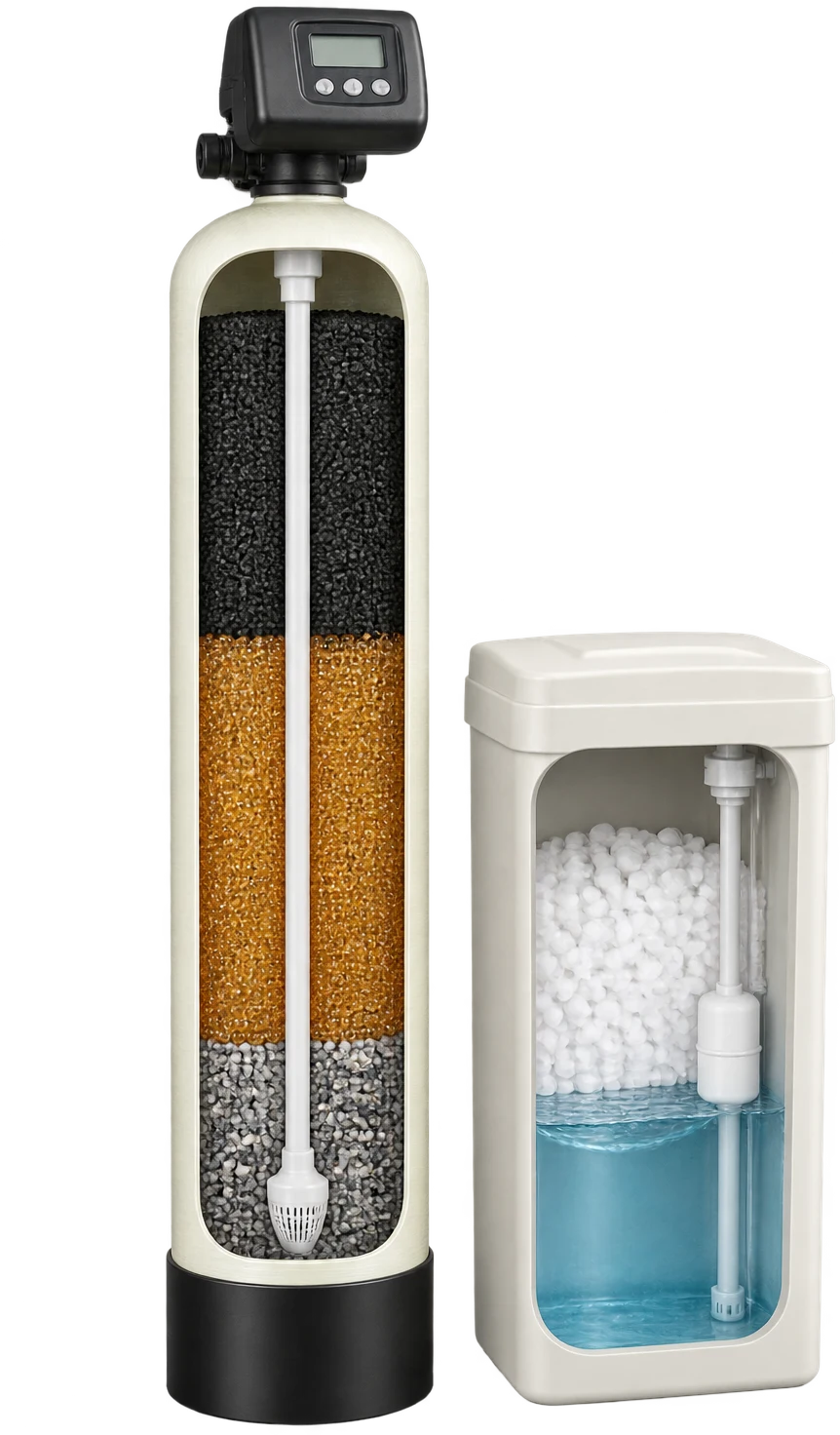
Illustrative system cutaway from the provider’s website. Media and arrangement vary by the selected design.
Tell the tool whether you use public water or a private well, which symptom matters most and whether equipment is already installed. It suggests what to discuss during an assessment, with its limitations clearly stated.
Check my next stepThe check does not measure water, calculate promised savings or select a final system. It helps you explain the request. A source-specific test and inspection remain the basis for treatment decisions.
If the concern involves drinking-water safety, ask which tests require a qualified laboratory. A field demonstration does not answer every microbiological or chemical question.
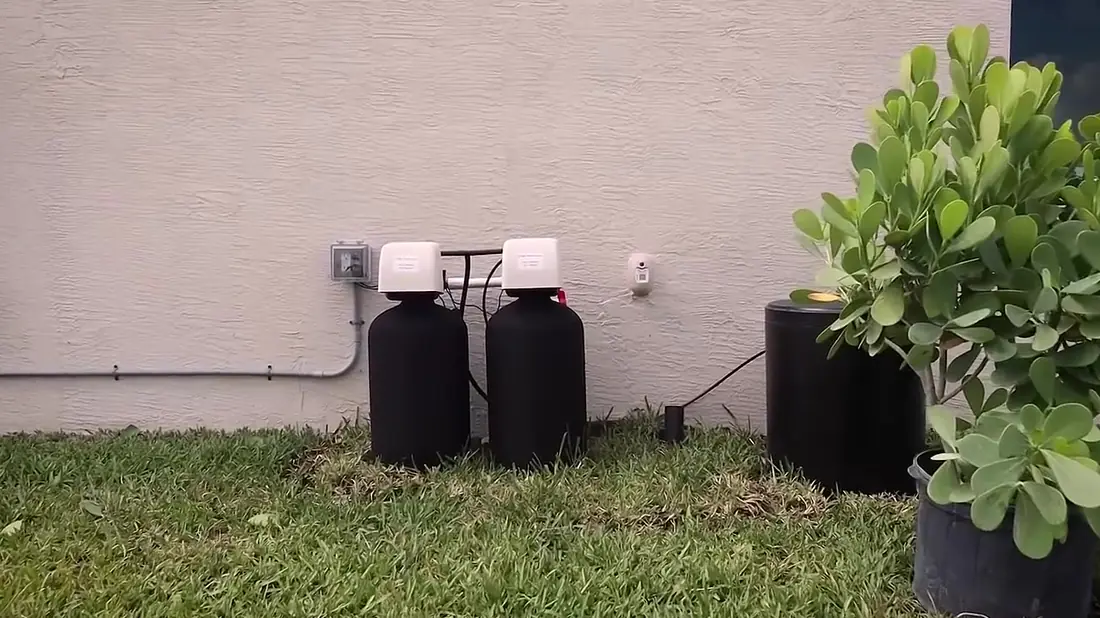
Price depends on measured water, flow, media and plumbing. Ask for equipment and installation to be listed separately.
Compare the quote scopeIron, sulfur, sediment and hardness may need different stages. Backwash capacity and existing equipment affect the scope.
Compare the quote scope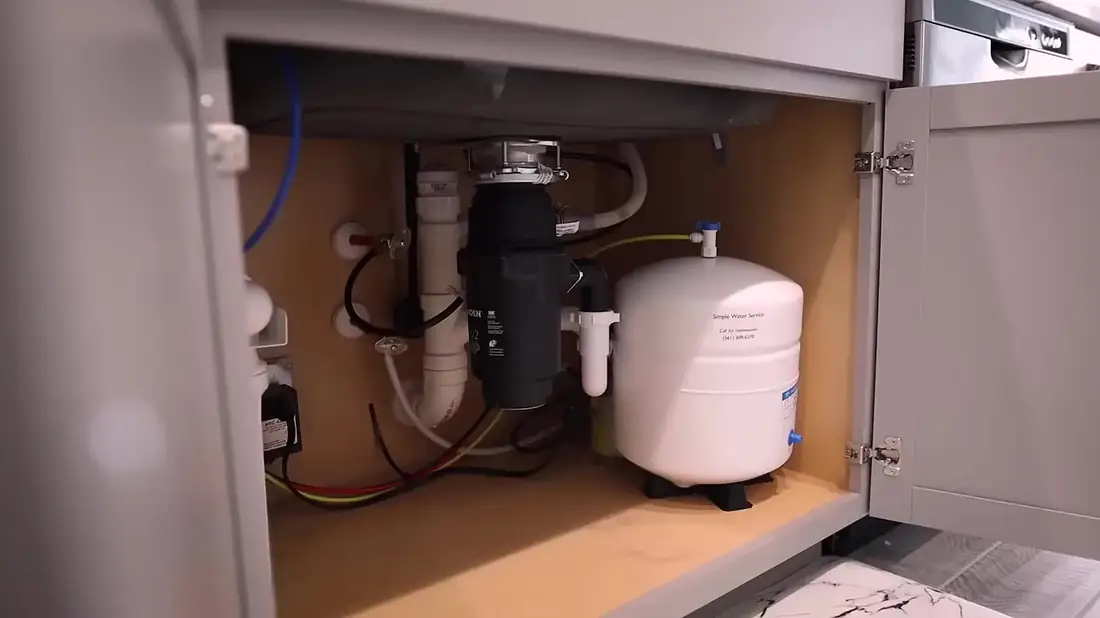
Compare production, storage, cabinet access, faucet and the recurring filter and membrane costs.
Compare the quote scopeNo unverified package price or promotional credit is advertised here. Request the current written offer directly from Simple Water Service.
Equipment type, measured source conditions, peak flow and plumbing access all affect the final scope. A simple replacement can differ from adding a drain, electrical supply, a new line or several well-treatment stages. Ask for removal of old equipment, startup checks and any excluded work to be identified. If a quote mentions financing or a credit, confirm the current written terms directly with the provider. This site does not assume an older offer still applies.
Look beyond installation to salt, cartridges, membranes, media service and any other recurring requirements. Ask how the provider recommends tracking performance and who handles each maintenance task. Equipment that is difficult to reach can increase the effort required for ordinary service. A comparison is more useful when it includes the operating assumptions and maintenance responsibilities, rather than treating a low starting price as a complete lifetime cost.
Compare a dedicated drinking-water system with whole-home treatment instead of treating them as interchangeable.
Explore reverse osmosis drinking-water systems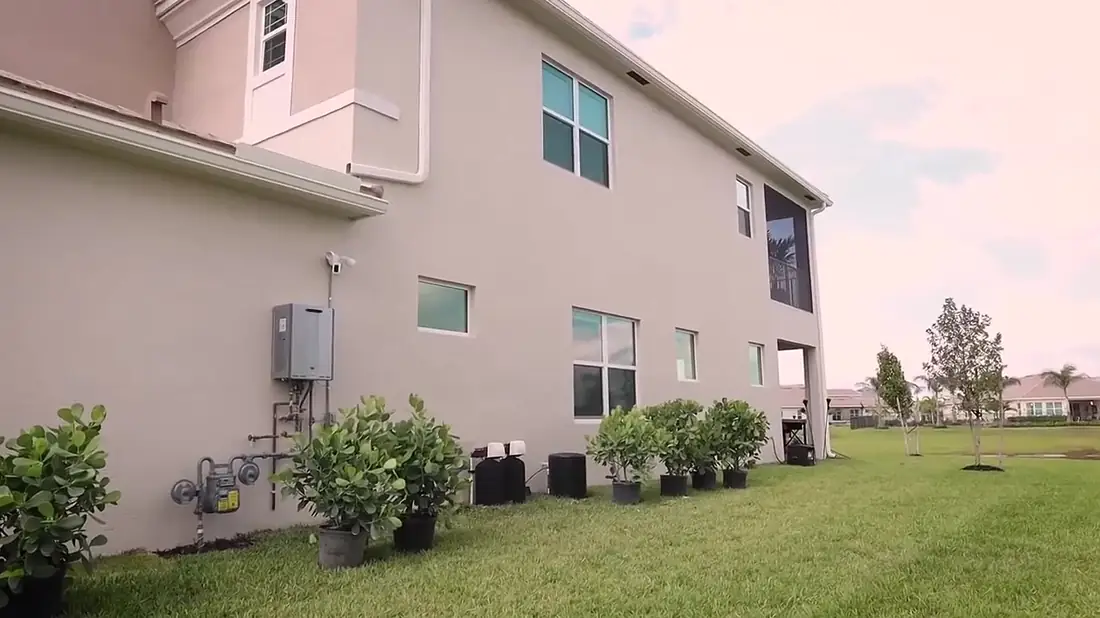
Ask the right question before choosing equipment: nuisance performance, household plumbing or drinking-water safety?
Explore water assessment and testingKeep the equipment performing with a service plan built around its actual components.
Explore water treatment maintenanceA domestic softener proposal should explain the demand it serves. Extending that assumption to additional buildings or high-volume uses can create pressure or regeneration problems. Ask for service flow, simultaneous demand and any cleaning or backwash requirements to be documented. If a barn or business process has a particular water target, describe that separately. Animal health or specialist process requirements should come from the appropriate qualified adviser, rather than an assumption that a drinking-water filter solves every use.
Wellington Utilities publishes guidance on indoor water quality and notes that plumbing, stagnant water and water heaters can contribute to complaints. That is a useful reason to ask whether the issue occurs at one fixture, on one temperature setting or throughout the property. A whole-home filter does not repair a worn heater or clean a dirty aerator. If a treatment system is already present, check performance before and after it, along with its maintenance history.
Confirm whether each building uses municipal water or a private well. For larger Wellington properties, identify house, barn and irrigation lines separately before selecting equipment or discussing flow.
Read the Wellington guideSource review: September 29, 2026. Read alongside the official source, not as an individual test report.
Identify the supplier or well, the symptom and where it occurs. Include any recent report, photos of existing equipment and the number of bathrooms or buildings affected. Mention association restrictions, limited access or changes in household demand. Ask which measurements the visit includes and whether laboratory work is separate. These details help the team prepare for a filtration, softener, repair or well-water request instead of guessing from a city name.
Submitting the form asks Simple Water Service to contact you. It does not reserve an appointment, guarantee equipment availability or approve a final installation scope. The provider confirms scheduling, tests, pricing and any service terms directly. If the form cannot load, use the displayed provider phone number. This website explains local treatment choices and connects the request; it is not a utility or a substitute for health-department instructions.
Only if the water and goals justify both. Filtration targets particular substances or nuisances; softening addresses hardness.
It provides public-system context. Household plumbing, treatment and the sampled point matter; a private well needs its own evidence.
Describe the equipment and symptoms to Simple Water Service. Assessment can help compare repair, maintenance and replacement.
Simple Water Service handles the provider quote form and displayed phone contact. The provider confirms the appointment and scope.
Share the source, symptoms, existing equipment and property details. The team can discuss the assessment, treatment or service request with you.
Call (561) 309-6270Scheduling and scope are confirmed by the provider.
Need help choosing the right request? Use our water decision check. It takes three answers and does not collect contact details.
Request handled by Simple Water Service. If the form does not load, call (561) 309-6270 or visit Simple Water Service. Submitting the form requests contact; it does not confirm an appointment.